
The “Cold Bridge” Crisis: Why Your Soviet-Era Apartment is a Magnet for Mold
March 12, 2026
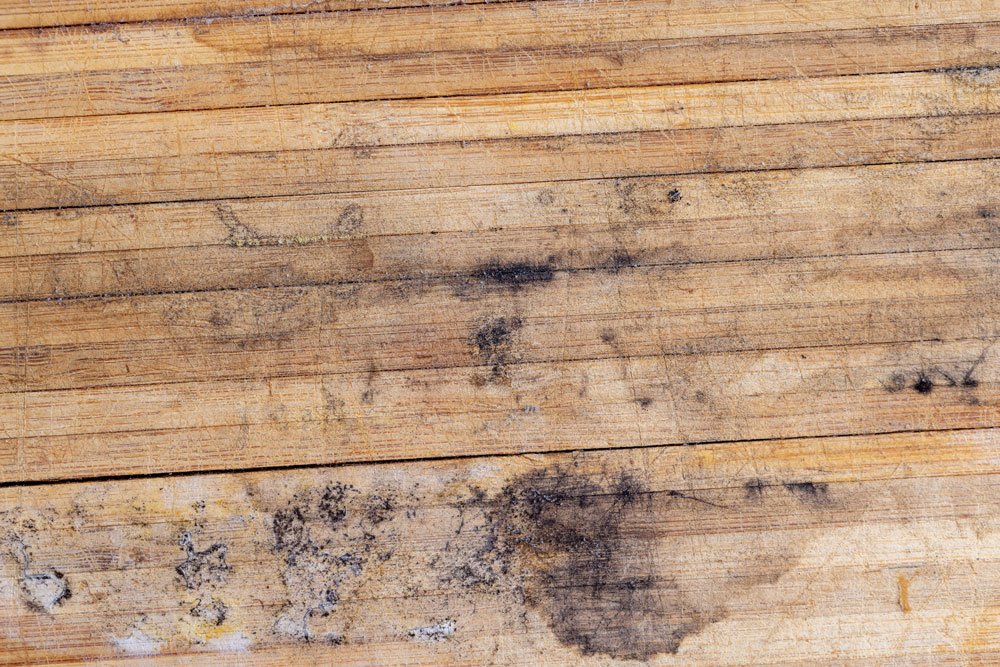
Walking into a traditional Lithuanian sodyba is like stepping into a living lung. For centuries, these pine and spruce structures have “breathed,” expanding and contracting with the humid Baltic summers and the biting, dry winters. However, as we bring modern comforts to these historic gems, we often accidentally stifle them, leading to a silent enemy: moisture-driven decay.
If you are restoring or living in a wooden farmhouse in the Highlands (Aukštaitija) or the plains of Suvalkija, here is how to keep the wood healthy for another century.
The Philosophy of the “Breathing Wall”
Traditional Lithuanian log construction didn’t rely on chemical barriers. Instead, it used natural materials like dried moss or flax tow stuffed between the logs. This allowed moisture to move freely through the wall and evaporate.
The biggest mistake in modern restoration is applying non-permeable materials. If you cover an old log wall with plastic vapor barriers or synthetic “breathable” membranes that aren’t actually suited for wood, you trap moisture inside the timber. This creates a “greenhouse effect” for mold and wood-rotting fungi.
The Three Great Threats to the Sodyba
1. The “Plastic Window” Trap
Replacing old, slightly drafty wooden frames with airtight PVC windows is a common upgrade that often backfires. In an old farmhouse, those small air leaks were actually part of the ventilation strategy. Without them, indoor humidity from cooking and washing stays trapped, condensing on the coldest part of the log walls.
2. Rising Damp from “Ground Contact”
Many older farmhouses sit on stone “pad” foundations or directly on the earth. Over time, the bottom crown of logs (the apatinis vainikas) can begin to wick moisture directly from the soil. If your lowest logs feel soft or look significantly darker than the rest, you are dealing with capillary action that needs immediate attention.
3. Incompatible Exterior Finishes
Painting a historic wooden home with modern, “plastic-like” acrylic paint is a death sentence for the wood. These paints form a film that cracks over time. Water gets into the cracks, but the film prevents it from evaporating, causing the wood to rot from the inside out.
Best Practices for Moisture Management
- Stick to Natural Finishes: Use traditional Swedish red (Falu Rödfärg), linseed oil paints, or pine tar. These finishes protect the wood from UV rays and liquid water while allowing water vapor to escape from within the grain.
- Maintain the “Plinth” (Cokolis): Ensure that the ground around your home slopes away from the foundation. Clear away tall grass and bushes that sit directly against the wood; these create a “micro-climate” of high humidity that prevents the logs from drying after a rainstorm.
- The Power of the Oven: If your home still has a traditional masonry stove (krosnis), use it. The radiant heat from a stone stove is far superior to modern radiators for drying out the structural mass of a wooden building.
- Mechanical Ventilation: If you have modernized your home to be airtight, you must install a heat recovery ventilation (HRV) system or, at the very least, bathroom and kitchen extractors to manually remove humidity.
Conclusion: Respect the Heritage
Preserving a Lithuanian farmhouse is a balancing act between 21st-century comfort and 19th-century physics. By choosing breathable materials and respecting the natural cycle of the wood, you ensure that your sodyba remains a healthy, mold-free sanctuary for generations to come.
Are you currently restoring an old wooden home? What’s the biggest challenge you’ve faced with the Lithuanian climate?